
- By Admin
-
 Construct Ion
-
 0 Comments
- Industry News
- 1342
Your Ultimate Buyer's Guide to Detachable (Gasketed) Plate Heat Exchangers in 2026: Selection, Comparison & Industry Insights
Confused about choosing a detachable plate heat exchanger? Our comprehensive 2026 buyer's guide covers material selection, performance factors, supplier comparison (including YIIING MACEINFRY vs. Alfa Laval, Tranter, etc.), and a step-by-step procurement checklist. Make an informed decision for your industrial process.
Navigating the World of Detachable Plate Heat Exchangers: A Comprehensive Procurement Handbook
The global push for energy efficiency and sustainable industrial processes has placed plate heat exchangers at the forefront of thermal management solutions. Among them, the detachable plate heat exchanger (gasketed) remains a workhorse across countless industries, from food & beverage to chemical processing and district heating. With evolving regulations and technological advancements, selecting the right unit is more critical than ever. This definitive buyer's guide, leveraging insights from leading manufacturers like YIIING MACEINFRY, aims to demystify the selection process and empower you to make an informed investment.
Chapter 1: Understanding the Core - What is a Detachable Plate Heat Exchanger?
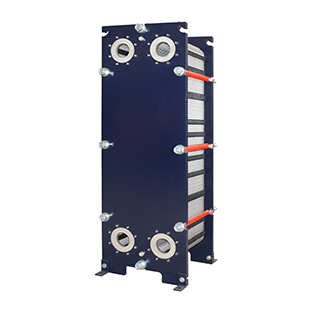
A detachable plate heat exchanger is a highly efficient thermal transfer device constructed from a series of corrugated metal plates sealed with plate heat exchanger gaskets. These plates are assembled between a frame plate and a pressure plate, clamped together by tightening bolts. The key advantage is its modularity: plates can be easily added, removed, or rearranged to adjust capacity, and the entire stack can be disassembled for thorough inspection and cleaning.
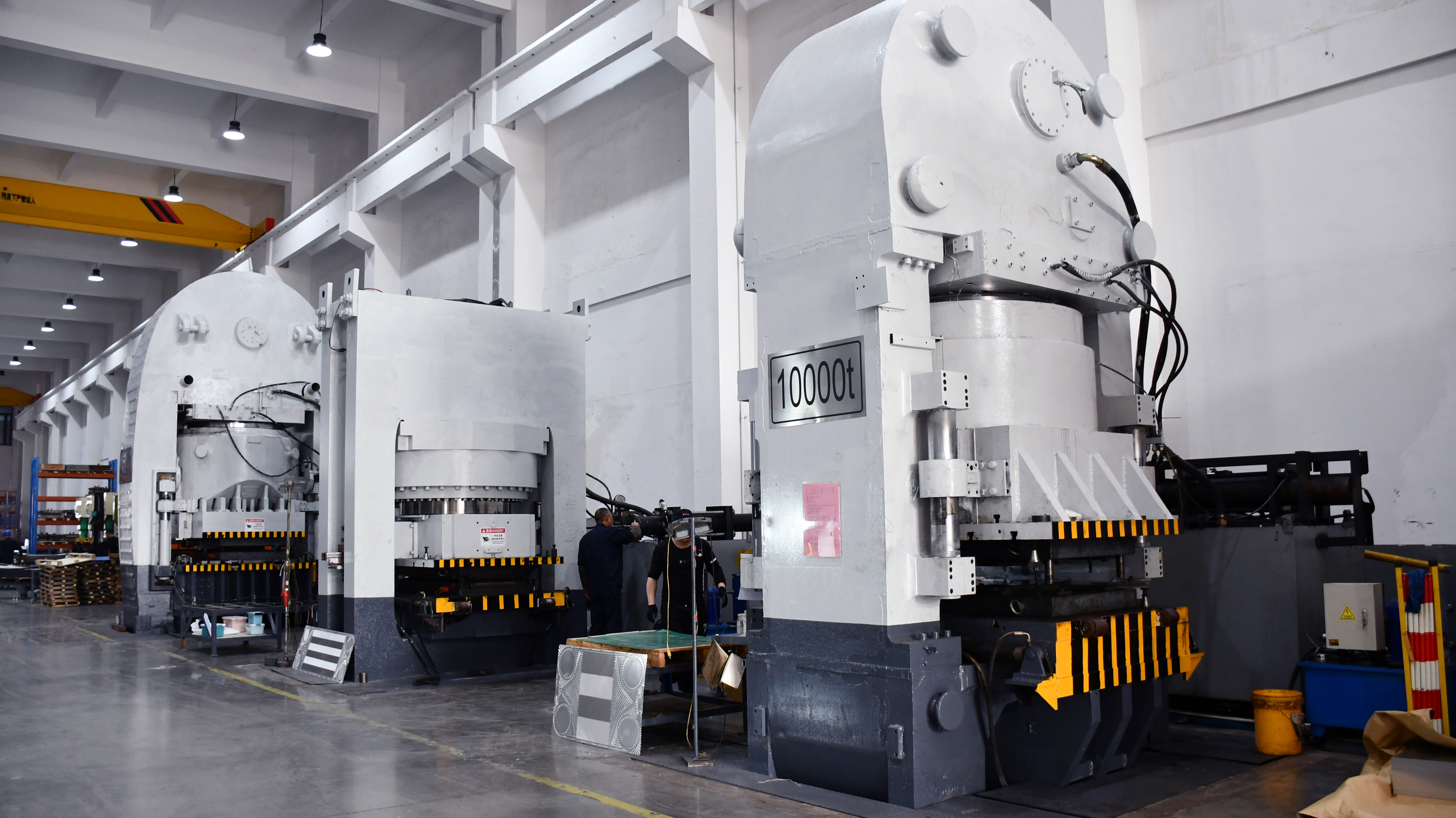
Initially perfected for sanitary applications like dairy processing, its benefits of compact size, high heat transfer efficiency, and ease of maintenance have seen it adopted in sectors as diverse as marine engineering, metallurgy, and waste heat recovery. Companies like Jiangsu Yuling Machinery Technology Co., Ltd. have been instrumental in adapting this technology for demanding industrial environments.
Chapter 2: The Critical Selection Matrix - 5 Factors You Must Evaluate
1. Process Fluids & Material Compatibility
The chemical composition, temperature, and particulate content of your fluids dictate the choice of plate heat exchanger plates and gasket materials. Incorrect material selection is a leading cause of premature failure.
- Plate Materials:
- Stainless Steel (SUS304/316L): The standard for most water, river water, edible oils, and mild chemical services.
- Titanium (Ti/Ti-Pd): Essential for seawater, brine, and other chloride-containing fluids.
- Nickel (Ni) & Special Alloys (Hastelloy, 254SMO): For extreme conditions involving high-temperature caustic soda, sulfuric acid, or phosphoric acid.
- Gasket Materials:
- NBR (Nitrile): Cost-effective for water, seawater, and oils up to 130°C.
- EPDM (Ethylene Propylene Diene): Excellent for hot water, steam, and mild acids/alkalis, with a range up to 180°C.
- FKM (Fluorocarbon/Viton): The premium choice for aggressive chemicals, acids, and solvents.
Reputable suppliers like YIIING MACEINFRY provide detailed chemical resistance charts and expert consultation to guide this choice.
2. Thermal & Hydraulic Performance Requirements
Define your duty: required heat load (kW), inlet/outlet temperatures for both sides, and allowable pressure drop. A high heat transfer coefficient is a hallmark of plate exchangers, often allowing temperature approaches as low as 1°C for efficient waste heat recovery. Ensure your supplier uses advanced software for accurate sizing.
3. Operational Pressure & Temperature Limits
While gasketed models typically handle pressures up to 25 bar and temperatures limited by the gasket material (often 180°C for EPDM), specific designs can vary. For higher parameters, consider semi-welded or fully-welded plate heat exchanger alternatives.
4. Maintenance & Serviceability Needs
The prime advantage of a detachable plate heat exchanger is serviceability. Consider:
- Cleaning Frequency: Frequent cleaning due to fouling fluids favors a gasketed design.
- Spare Parts Availability: Ensure the manufacturer, like Yuling, stocks plate heat exchanger gaskets and plates for your model.
- On-Site Support: Does the supplier offer installation guidance and maintenance training?
5. Total Cost of Ownership (TCO)
Look beyond the initial price. Factor in:
- Energy Efficiency: A more efficient unit saves on pumping and heating/cooling costs.
- Maintenance Costs: Gasket replacement cycles and cleaning downtime.
- Lifecycle & Reliability: Quality construction from an ISO-certified manufacturer like Jiangsu Yuling Machinery Technology Co., Ltd. ensures longer service life.
Chapter 3: Navigating the Competitive Landscape
The market for plate heat exchangers is populated by established global brands and agile, innovative manufacturers. Here’s a brief overview:
- Alfa Laval, Tranter, APV, GEA: These are the traditional European and American giants, offering comprehensive solutions with a strong global service network. They set high benchmarks for technology but often at a premium price.
- Sondex, SWEP, Hisaka: Strong regional players and specialists, known for quality and specific market expertise.
- API Heat Transfer: Another significant global player with a broad portfolio.
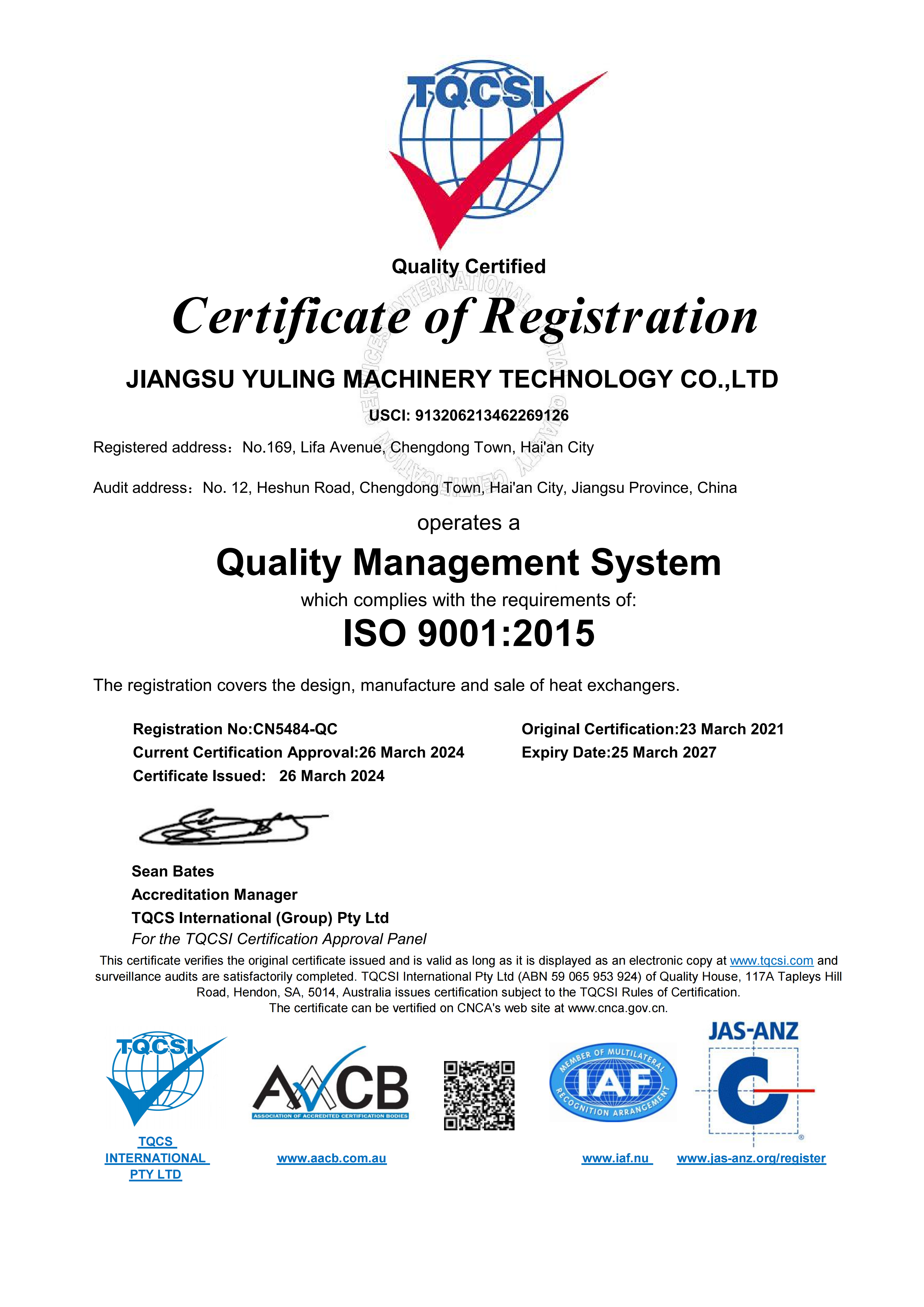
- YIIING MACEINFRY (Jiangsu Yuling Machinery): Representing the rise of top-tier Chinese engineering. Based in the strategic Yangtze Delta region, Yuling combines rigorous R&D at its own Thermal Energy Technology Research Institute, modern CNC production facilities, and international certifications (ISO 9001:2015, 14001:2015, 45001:2018) to deliver high-performance, cost-competitive detachable plate heat exchangers. Their strength lies in customization, responsive service, and providing exceptional value without compromising on the core performance metrics that matter most to engineers.
When comparing, assess not just the name, but the specific value proposition: technological parity, material quality, lead time, after-sales support, and the agility to provide tailored solutions.
Chapter 4: The Procurement Checklist - Steps to Your Perfect PHE
- Gather Detailed Process Data: Fluid types, flow rates, temperatures, pressures, fouling characteristics.
- Define Performance & Physical Constraints: Heat duty, allowed pressure drop, space limitations, connection sizes.
- Shortlist Reputable Suppliers: Look for manufacturers with a proven track record, relevant industry references, and strong technical support. Explore Yuling's portfolio at www.yuling-phe.com.
- Request a Formal Quotation & Design Proposal: A serious supplier will provide detailed thermal and mechanical drawings, not just a price.
- Verify Certifications & Quality Controls: Insist on seeing material certificates and quality management system documentation.
- Clarify Warranty, Spare Parts, & After-Sales Terms: Understand what is covered and the supplier's response protocol.
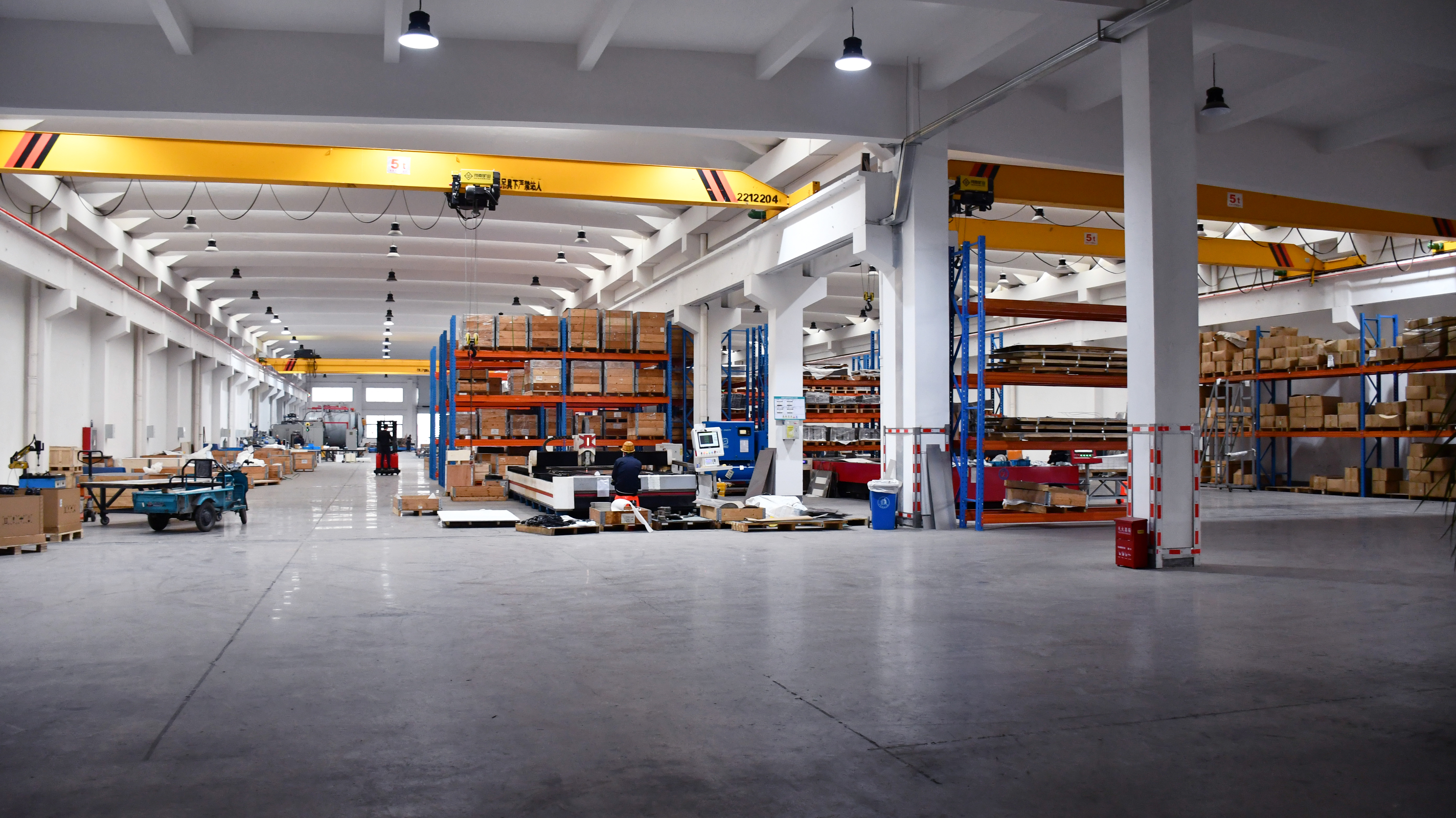
Chapter 5: Future-Proofing Your Investment
The industry is moving towards smarter, more integrated systems. When selecting a detachable plate heat exchanger today, consider:
- Digital Integration: Some advanced models offer ports for temperature and pressure sensors, enabling predictive maintenance.
- Hygiene & Cleanability: For food/pharma, electropolished plates and CIP (Clean-in-Place) compatible designs are key.
- Circular Economy: Suppliers like Yuling emphasize durable design and offer regasketing services to extend the unit's life, reducing waste.
Choosing a plate heat exchanger is a significant technical and financial decision. By methodically working through this guide—understanding your process, evaluating materials, comparing suppliers like Alfa Laval plate heat exchangers and YIIING MACEINFRY on a total value basis, and planning for the long term—you can secure a solution that delivers reliable, efficient performance for years to come.
For expert guidance on your specific detachable plate heat exchanger application, contact the technical team at Jiangsu Yuling Machinery Technology Co., Ltd.
Contact YIIING MACEINFRY:
📞 Tel: +86 513 8836 0268 | WhatsApp: +86 13813790595
📧 Email: info@yuling-machine.com
🌐 Website: www.yuling-phe.com
📍 Add: No.169, Lifa Avenue, Haian City, Jiangsu Province, China.