
- By Admin
-
 Construct Ion
-
 0 Comments
- Industry News
- 724
How to Cut Plate Heat Exchanger Procurement Costs by 30% Without Sacrificing Quality: A Strategic Guide for Industrial Buyers
Discover how industrial buyers can reduce plate heat exchanger procurement costs by 30% using proven strategies: lifecycle cost analysis, bulk buying, selecting certified Chinese suppliers like YIIING MACEINFRY, optimizing logistics/payment, and decoding quotations with FOB/CIF terms. Includes a real case where a European buyer achieved 30% TCO reduction.
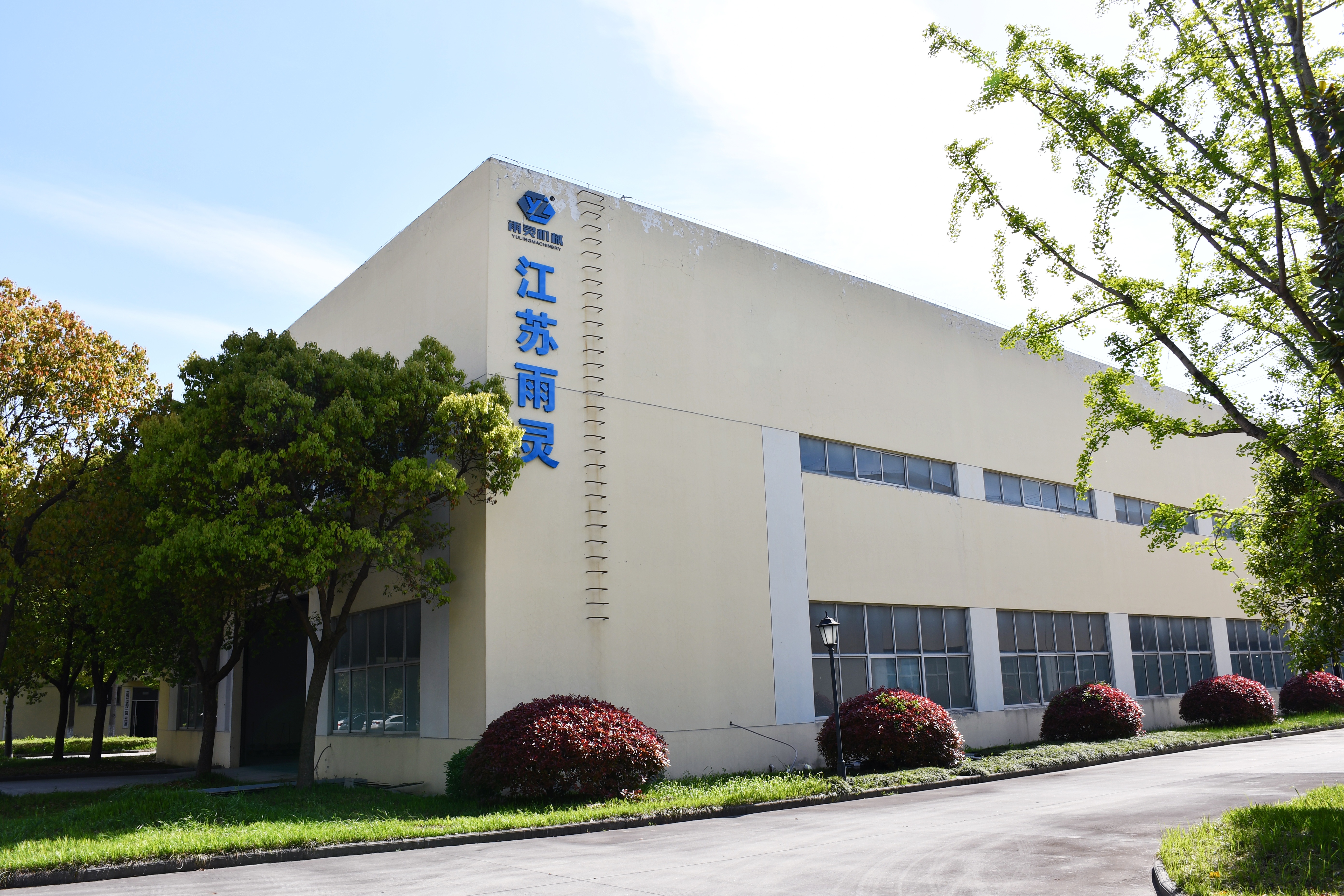
Published: May 11, 2026 — In an era of rising raw material costs and tightening profit margins, industrial procurement teams face the critical challenge of controlling the total cost of plate heat exchangers while maintaining performance and reliability. Whether you are sourcing Alfa Laval plate heat exchangers, Tranter plate heat exchangers, Sondex plate heat exchangers, or their spares like plate heat exchanger plates and plate heat exchanger gaskets, the pressure to reduce expenditure is immense. This problem-solving guide provides a structured approach to optimize your plate heat exchanger procurement budget, with a proven case study showing how choosing a Chinese manufacturer like YIIING MACEINFRY (Jiangsu Yuling Machinery Technology Co., LTD.) can cut costs by 30% without compromising quality.
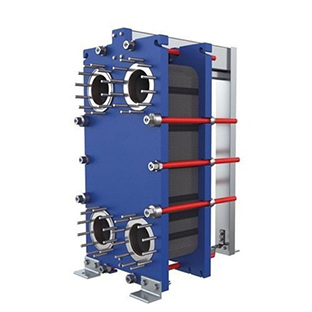
1. Understanding the Total Lifecycle Cost of a Plate Heat Exchanger
Many buyers focus only on the purchase price, but the true cost of a plate heat exchanger extends far beyond the initial invoice. A comprehensive plate heat exchanger lifecycle cost analysis includes:
| Cost Component | Description | Typical Share (%) |
|---|---|---|
| Purchase Price | Unit price of the heat exchanger (plates, gaskets, frame, etc.) | 40–50% |
| Logistics & Freight | Transportation (FOB/CIF), customs duties, insurance | 10–15% |
| Installation & Commissioning | Labor, piping modifications, foundation work | 5–10% |
| Maintenance & Spare Parts | Gasket replacement, plate cleaning, repair services | 15–20% |
| Energy Consumption | Pumping costs due to pressure drop; heat transfer efficiency | 10–15% |
| End-of-Life Disposal | Recycling or disposal of worn-out units | 2–5% |
Neglecting any of these elements can wipe out initial savings. For example, a cheap unit with high pressure drop will increase energy costs significantly over its 10-year lifespan. Therefore, a total cost of ownership (TCO) mindset is essential.
2. Five Proven Strategies to Reduce Plate Heat Exchanger Procurement Costs
Strategy 1: Leverage Volume Discounts and Long-Term Agreements
Consolidate your demand for plate heat exchanger plates and plate heat exchanger gaskets across projects and plant sites. By committing to a minimum annual volume (e.g., 50+ units or a specific value), you can negotiate 10–20% discounts with suppliers. Suppliers appreciate predictable orders – YIIING MACEINFRY offers tiered pricing for bulk purchases of both detachable and brazed plate heat exchangers, with lead times reduced to 15–25 days for standard models.
Strategy 2: Source from High-Quality Chinese Manufacturers with Proven Credentials
Historically, Chinese plate heat exchanger manufacturers were associated with lower quality. However, companies like YIIING MACEINFRY (Jiangsu Yuling Machinery Technology Co., LTD.) have disrupted this perception. Certified with ISO 9001:2015, ISO 14001:2015, and ISO 45001:2018, the company produces detachable, brazed, and fully-welded heat exchangers that match or exceed the performance of established European brands at 30–50% lower price points. The key is to audit the supplier’s production facilities – YIIING MACEINFRY boasts advanced CNC machining centers and a dedicated R&D institute (Yuling Thermal Energy Technology Research Institute).
Strategy 3: Optimize Logistics and Payment Terms
Shipping plate heat exchangers from China to Europe or North America can be expensive if not optimized. Negotiate CIF (Cost, Insurance, Freight) terms to lock in ocean freight costs, and use consolidated shipping for partial containers. Additionally, ask for extended payment terms – 30–60 days after shipment – to improve your cash flow. YIIING MACEINFRY offers flexible payment options (T/T, L/C) and works with major freight forwarders to minimize logistics expenses.
Strategy 4: Standardize Specifications to Reduce Customization Costs
Every custom plate design, special gasket material, or non-standard frame adds engineering and tooling costs. Work with your supplier to select standard plate patterns (e.g., herringbone chevron) and gasket materials (NBR, EPDM, FKM) that cover 80% of your applications. Standard models like the Detachable A10, A20, A25 or Brazed ZL14, ZL20B from YIIING MACEINFRY offer proven performance and are manufactured in high volumes, reducing per-unit cost.
Strategy 5: Invest in Predictive Maintenance to Extend Service Life
Instead of replacing gaskets on a fixed schedule, use condition-based monitoring (temperature, pressure, vibration) to extend gasket life. High-quality gaskets from YIIING MACEINFRY (HNBR, FKM) last 3–5 years in demanding applications. By cleaning plates and replacing gaskets only when needed, you slash maintenance expenses by up to 40%.
3. Decoding the Quotation: Key Terms Every Buyer Must Understand
To avoid hidden costs, it is crucial to read a plate heat exchanger quotation thoroughly. Below are the critical elements:
- Tax-inclusive price includes VAT (e.g., 13% in China for export). Ensure your supplier provides a tax invoice if you need it for local VAT reclaim.
- Tax-exclusive price is lower, but you may face additional duties at destination.
Trade Terms (FOB vs CIF):
- FOB (Free on Board): Seller covers costs until goods are loaded onto the vessel. Buyer pays ocean freight, insurance, and destination charges.
- CIF (Cost, Insurance, Freight): Seller includes ocean freight and insurance up to the destination port. This gives you a predictable landed cost.
Other Line Items to Verify:
- Unit price per plate vs. per complete unit – some suppliers quote plate-only but neglect frame and gaskets.
- Gasket material upgrade cost – EPDM is standard for water, but viton (FKM) for acids costs more.
- Packing & handling fees – wooden crates for export can add 2–5% to the total.
- Payment schedule – 30% deposit with 70% against shipping documents is typical.
Always request a breakdown that separates plate heat exchanger plates cost, gasket cost, frame cost, and assembly labor. For example, a typical quotation from YIIING MACEINFRY for a detachable heat exchanger (model A25) includes itemized prices for SUS304 plates, NBR gaskets, and carbon steel frame, allowing you to compare apples to apples with other suppliers.
4. Real-World Case: How One Global Buyer Cut Costs by 30% with YIIING MACEINFRY
Background: A European chemical processing company (name confidential) was sourcing Sondex plate heat exchangers and APV plate heat exchangers for its cooling and heating duties. Their annual spend exceeded €800,000, mainly with a single European OEM. Rising costs and long lead times (12–16 weeks) prompted a strategic review.
The Challenge: The buyer needed to reduce TCO by at least 25% without sacrificing the high efficiency and corrosion resistance required for aggressive fluids (dilute sulfuric acid and brine).
Solution: After evaluating several Chinese suppliers, they selected Jiangsu Yuling Machinery Technology Co., LTD. (brand YIIING MACEINFRY) for its combination of:
- ISO-certified quality systems (ISO 9001, 14001, 45001)
- Customizable plate materials – 254SMO and HASTELLOY C276 for acid applications
- Energy-efficient designs – the fully-welded variant reduced pressure drop by 18%, cutting pumping costs
- Responsive support – direct WhatsApp/e-mail communication + on-site installation guidance
The buyer consolidated 80% of its volume into standard plate patterns (A35, A65) and used EPDM gaskets for most applications, only upgrading to FKM for critical loops. Logistics were negotiated on CIF Rotterdam terms, and payment was set to 30% deposit, 70% after shipping.
Results After 12 Months:
| Metric | Before (European OEM) | After (YIIING MACEINFRY) | Savings |
|---|---|---|---|
| Average unit cost (detachable A65) | €12,500 | €7,800 | 38% |
| Lead time | 14 weeks | 6 weeks | 57% faster |
| Annual maintenance cost | €45,000 | €28,000 | 38% |
| Energy consumption (pumping) | €18,000/year | €14,500/year | 19% |
| Total TCO (3-year) | €445,000 | €310,000 | 30% reduction |
The buyer also appreciated the seamless after-sales support: YIIING MACEINFRY provided detailed plate heat exchanger gasket life prediction and shipped replacement gaskets within 5 days. The overall reliability was on par with the previous premium brand, with no unscheduled downtime.
5. Final Recommendations for Procurement Managers
- Adopt a total lifecycle cost approach – do not chase the lowest upfront price.
- Evaluate Chinese manufacturers with international certifications and proven track records. Companies like YIIING MACEINFRY combine cost leadership with technical excellence.
- Standardize where possible – use standard plate heat exchanger plates and gasket configurations to reduce customization costs.
- Negotiate long-term agreements with volume commitments to unlock tiered pricing.
- Demand transparent quotations that break down all cost components including FOB/CIF terms and gasket material upgrades.
For more information or to request a competitive quotation for detachable, brazed, or fully-welded plate heat exchangers, contact YIIING MACEINFRY today.
Tel: +86 513 8836 0268 | Fax: 0513-88363196
WhatsApp: +86 138 1379 0595
Email: info@yuling-machine.com
Web: www.yuling-phe.com
Address: No.169, Lifa Avenue, Haian City, Jiangsu Province, China